Peugeot Models
 1007
1007 106
106 107
107 2008
2008 205
205 206
206 206 SEDAN
 207
207 208
208 3008
3008 301
301 306
306 307
307 308
308 308 SW
 4007
4007 4008
4008 406
406 407
407 408
408 5008
5008 508
508 605
605 607
607 806
806 807
807 BIPPER
 BOXER
BOXER EXPERT
 PARTNER
 PARTNER ORIGIN
 PARTNER TEPEE
 PEUGEOT
 RCZ
RCZ TRAVELLER
Peugeot photos, specs - Car Pictures & Images
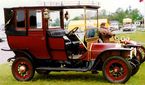
For the article about the bicycle manufacturer, see Cycles Peugeot.
Peugeot is a major French car brand, part of PSA Peugeot Citroën. Its parent company PSA Peugeot Citroën is the second largest carmaker in Europe, behind Volkswagen. Peugeot's roots go back to pepper, salt and coffee mill manufacturing in 1842 and later bicycle manufacturing at the end of the 19th century. Its world headquarters are in Paris, Avenue de la Grande Armée, close to Porte Maillot and the Concorde Lafayette Hotel but the Peugeot company and family is originally from Sochaux, France. Peugeot retains a large manufacturing plant in Sochaux which is also home to the Peugeot Museum. The company also sponsors the Sochaux football club, founded in 1928 by a member of the Peugeot family: the club' s arms contain a lion logo similar to Peugeot's. |
Used Peugeot


The common French pronunciation of "Peugeot" is IPA:[pøːʒo]. In Spain, it is "peyot" (less often, "peuyot"). In the UK (where the cars are occasionally nicknamed 'pugs'), it is usually pronounced / ˈpɜːʒoʊ/ "PERzho" (as per company advertising), although the most common pronunciation in Scotland is "Pyoozhoh", whilst Americans pronounce it / puːˈʒoʊ/ "pooZHO" or / ˈpjuːʒoʊ/ "PYOOzho". In Malta, some people pronounce "Peugeot" as "poo goo". In those parts of North Africa colonised by France—Algeria, Tunisia and Morocco—"Peugeot" is often pronounced in the same as "bijou" ("jewel"), both because of the sometimes indistinguishable quality of vowels in Arabic when translated into French, and through affection. Early historyThe Peugeot family of Valentigney, Montbéliard, Franche-Comté, France, began manufacturing coffee grinders in the 1800s. Although the Peugeot factory had been in the manufacturing business since the 1700s, the company's entry into the world of wheeled vehicles was by means of crinoline dresses, which used steel rods, leading to umbrella frames, saw blades, wire wheels, and ultimately bicycles. Armand Peugeot introduced his "Le Grand Bi" penny-farthing in 1882 and along with a range of other bicycles. Peugeot bicycles continued to be built until very recently, although the car company and bike company parted ways in 1926. Armand Peugeot became interested in the automobile early on, and after meeting with Gottlieb Daimler and others, was convinced of its viability. The first Peugeot automobile (a three-wheeled steam-powered car designed by Léon Serpollet) was produced in 1889; only four were made. Steam power was heavy and bulky and required lengthy warmup times. In 1890, after meeting Gottlieb Daimler and Emile Levassor, steam was abandoned in favour of a four-wheeled car with a petrol-fuelled internal combustion engine built by Panhard under Daimler licence. The car was more sophisticated than many of its contemporaries, with a three-point suspension and a sliding-gear transmission. » Read More About Peugeot |