1995 Honda Ascot
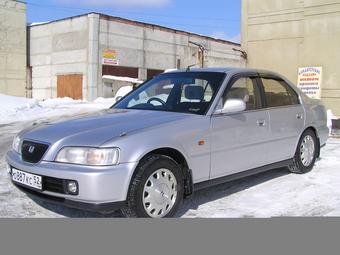
Photo Information (Width: 340px, Height: 255px, Size: 15Kb)
Honda Ascot Problems
My Honda Ascote Car
1995, 1. After starting the immediately Engine
check switches on the dashi board 2. After eng...
Flat battery and oil leaks
1994, at the moment our car has a flat battery
last few days I have had 2 jumpstarts and is s...
Engine parts
1995, I need the following engine parts and I
cant find a dealer: spark plug cover seal (5
...
| Engine size - Displacement - Engine capacity: | 2500 cm3 |
| Transmission Gearbox - Number of speeds: | Automatic |
| Fuel Type: | Gasoline |
| Drive wheels - Traction - Drivetrain: | FF |
| Price (out of date): | $9500 |
1995 Honda Ascot specs, Engine size 2.5, Fuel type Gasoline, Drive wheels FF, Transmission Gearbox Automatic
|
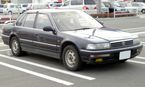
Used Honda Ascot


The "Ascot" name was chosen with reference to the Ascot Racecourse and Ascot tie, in order to add the model an alleged air of class and elegance. The first Honda Ascot was borne out Honda's strategy to diversify its sales channels in Japan. In 1985, two separate dealer networks were established, under the names of "Honda Clio" and "Honda Primo", in addition to the already existing "Honda Verno" network. While the Primo stores handled kei cars, as well as base Honda Civics, the Clio stores focused on larger models, including the top-of-the-line Honda Legend. With the arrival of the fourth-generation Honda Accord (CB), its sales were assigned solely to Honda Clio. That meant, however, that the Honda Primo network needed a new intermediate-size car. Honda adopted a rather simple solution (quite common in such cases in the JDM market) of creating a "sister car" to Accord, the Honda Ascot. Technically, the Ascot was identical to the Accord saloon, and so was most of the body, but some cosmetic differences provided for a different look, befitting the Ascot's upmarket role as the top-of-the-line model of Honda Primo. The Ascot had a six-light greenhouse compared to the regular Accord's four-light layout, and featured a different front end with a more formal grille, as well as a revised rear end with a unified light belt. » Read More About Honda Ascot |