Year of Lexus LS400
Lexus LS400 photos, specs - Car Pictures & Images
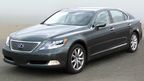 The Lexus LS is a full-size luxury sedan that serves as the flagship model of Lexus. Four generations of the V8-powered, rear-wheel drive Lexus LS have been produced to date. The original LS 400, the first Lexus to be developed, premiered in 1989. Subsequent generations of the Lexus flagship added technological features, luxury appointments, and safety innovations. The Lexus LS is recognized as one of the most reliable vehicles ever built, and its cabin is regarded among the quietest of luxury automobiles. Each successive Lexus LS design has become the best-selling prestige luxury sedan in the United States. |
Used Lexus LS400


In 2006, Lexus launched the fourth generation Lexus LS, offering the first long wheelbase version of its flagship model. Beginning with the 2008 model year, an all-wheel drive hybrid joined the line up. The new LS also introduces the latest in Lexus technology, including the first production eight-speed automatic transmission, an automatic parking system, and on the hybrid models, the first production LED headlamps in the U.S. market. Several different Lexus LS models are sold worldwide, including standard, long wheelbase, hybrid, and all-wheel-drive versions. Lexus' flagship model has held the highest ranking in J.D. Power’s Vehicle Dependability Survey for over twelve consecutive years, and Consumer Reports has named the LS as the most dependable vehicle ever tested. In 2007, international jurors named the LS 460 as the World Car of the Year. In August 1983, Toyota chairman Eiji Toyoda initiated the F1 project ("Flagship" and "No. 1 vehicle"; alternatively called the "Circle-F" project), a top secret effort aimed at producing a world-class luxury sedan. Unlike past Toyota efforts, the F1 project was not bound by a specific budget or time constraints. It also did not utilize existing Toyota vehicle platforms or parts. Instead, chief engineer Ichiro Suzuki sought to develop an all-new design that would surpass existing flagship luxury sedans. Specific targets included: a more aerodynamic exterior, quieter cabin, higher top speed, and more fuel-efficient design versus American and European rivals. To achieve their goals, F1 engineers produced new concepts and part designs, resulting in hundreds of patent applications. Their final design would have among the lowest drag coefficients of any production vehicle (Cd 0.29), record a quiet 58 dB of cabin noise at a cruising speed of 62 mph (100 km/ h), and exhibit lower levels of vibration than rival sedans. The F1 design's new 4.0 L V8 engine produced 250hp (190kW), had a maximum speed of 155 mph (250 km/ h), and avoided the U.S. gas-guzzler tax. » Read More About Lexus LS400 |
Lexus LS400 Pictures by Years


