Year of Land Rover Discovery
The Discovery is powered by a 16-valve V-8 with 188 hp and a 4-speed automatic transmission. It's 4 wheel drive and newly redesigned. ABS is standard.
Land Rover Discovery photos, specs - Car Pictures & Images
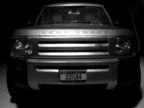 The Discovery is a four wheel drive on-road and off-road vehicle from the British car maker Land Rover. There have been three generations of the vehicle, which is less expensive than the company's top Range Rover model. The Discovery was introduced in the late 1980s and is the most popular model from Land Rover. It is less utilitarian than the Defender, but it is very competent off road. The current Discovery Series III is marketed in North America as the LR3. The Discovery was introduced into the United Kingdom in 1989. The company code-named the vehicle "Project Jay", and came close to calling it either "Highlander" or "Prairie Rover" until the decision was made to improve the overall branding strategy, eventually leading to the Land Rover name becoming detached from any specific model (at the launch of the "Defender" name.) The new model was based on the chassis and drivetrain of the more upmarket Range Rover, but with a lower price aimed at a larger market segment and intended to compete with Japanese offerings. |
Used Land Rover Discovery


The Discovery was initially available in a three door version, partly to avoid eating into the market of the more expensive Range Rover. The five door became available the following year. Both were fitted with five seats, and an option was made available to have two further seats fitted in the "boot" area at the back of the car. In a move almost unique at the time, Land Rover employed an external consultancy, Conran Design Group in London, to design the interior. The brief was to ignore current car interior design and position the vehicle as a 'lifestyle accessory', a new concept in the late 80's which was enormously influential in automotive design in the years to follow. Discovery's Mk 1 interior incorporated a number of original features, though as with all design projects, many ideas shown on the original interior mock-ups constructed inside a Range Rover bodyshell at Conran's workshops were left on the shelf, such as a custom sunglasses holder built into the centre of the steering wheel (these were pre-airbag days). Despite this the design was unveiled to critical acclaim, and won a British Design Award in 1989. A two-seater, three-door Discovery Commercial version, lacking rear windows, was later offered by Land Rover Special Vehicles. Pre-1994, the Discovery was available with either the 2.5 litre 200 Tdi engine or the 3.5L Rover V8. Early V8s used a twin SU carburettor system, moving over to Lucas fuel injection in 1990. In the UK, V8 models are comparatively rare, the majority of Discovery owners preferring the more economical diesel engines. Consequently, resale prices of V8-engined vehicles are lower than the more popular diesel counterparts. In the North American market, the only engine available was the V8. A two litre petrol engine from the Rover stable was briefly available in a model known as the 2.0 Mpi I4. This was intended to attract fleet managers, since UK (and also Italian) tax laws benefited vehicles under two litres. A combination of changes in taxation and the engine being underpowered for such a heavy vehicle led to the demise of this engine, despite the kudos of being the engine fitted to several Discoveries supplied to the British Royal family, most notably driven by Prince Philip around Windsor Great Park, in his position as Park Ranger of the park. » Read More About Land Rover Discovery |
Land Rover Discovery Pictures by Years


