Year of Fiat Brava
Fiat Brava photos, specs - Car Pictures & Images
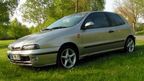
This article is about the 1990s Bravo.
For the 2007 Bravo, see Fiat Bravo (2007).
The Fiat Bravo and Fiat Brava are small family cars produced by the Italian automaker Fiat from 1995 to 2001. The name was revived for 2007 with an all-new replacement for the Stilo; the new version will use only the Bravo name and is not available with three doors. The earlier Brava/ Bravo models were effectively two versions of the same car, the Bravo a three-door hatchback and the Brava a longer five-door hatchback. The name Brava was used in the United States on the earlier Fiat 131. |
Used Fiat Brava


The Bravo and Brava Mark 1 were replacements for Fiat's successful but ageing Tipo model. The cars came with all new engines, the base model using a 1.4 L 12-valve engine producing 80 bhp. Three other petrol engines were available: the 103 bhp 1.6 L 16-valve; the 113 bhp 1.8 L 16-valve engine and the top of the range 2.0 L 20-valve R5 unit used in the HGT model, which produced 147 bhp and which could take the car to a maximum speed of 130mph (210km/ h). Two turbodiesel engines were also available: both were 1.9 L four cylinder units, one producing 75 bhp and the other making 100 bhp. Bravo/ Brava was voted European Car of the Year on its launch. In 1996 the Bravo/ Brava chassis spawned saloon and estate versions, badged Fiat Marea, which won praise for its large boot. Another car based on the Bravo/ Brava underpinnings was launched in 1998: the curious looking Fiat Multipla, a six-seater mini MPV. The Bravo/ Brava received a mild makeover in 1999 but there were few real changes except the replacement of the 1.4 12-valve engine with a 1.2 16-valve engine from the smaller Fiat Punto and a restyling of the dashboard. The 1.9 turbodiesel was also phased out in favour of 1.9 JTD diesel units, to give even better economy and refinement. The Bravo/ Brava was discontinued in Europe in late 2001, and replaced by the all-new Fiat Stilo, which was ultimately a sales flop in most countries where it was sold.[citation needed] EnginesPetrolDieselEngines in BrazilThe FIAT Brava was produced until 2003 in Brazil for the home market and export, but in the former the engines available were:
» Read More About Fiat Brava |
Fiat Brava Pictures by Years


